What an Internship at Bergs Potter Taught Me About the Battles We Cannot See
Bergs Potter, I thought I was there to learn about work.
I was.
I learned about routines, responsibility, safety, logistics, machines, teamwork, and the quiet rhythm of a workplace where every person has a role in making sure that something beautiful eventually reaches someone else’s home.
But somewhere along the way, I realised that I was learning something else, too.
I was learning about people.
About the fact that you can stand next to someone every day without knowing what they carry with them when they leave work. About how many people arrive in the morning with worries, pain, losses, fears or memories that we know nothing about—and yet they still smile, still joke, still put on the music, still ask if you need help.
During my time at Bergs, I worked alongside people who were fighting their own battles.
And yet, at work, they were often the first ones ready to offer a hand.
The People Behind the Work
What an Internship at Bergs Potter Taught Me About the Battles We Cannot See
When I started my internship at Bergs Potter, I thought I was there to learn about work.
I was.
I learned about routines, responsibility, safety, logistics, machines, teamwork, and the quiet rhythm of a workplace where every person has a role in making sure that something beautiful eventually reaches someone else’s home.
But somewhere along the way, I realised that I was learning something else, too.
I was learning about people.
About the fact that you can stand next to someone every day without knowing what they carry with them when they leave work. About how many people arrive in the morning with worries, pain, losses, fears or memories that we know nothing about—and yet they still smile, still joke, still put on the music, still ask if you need help.
During my time at Bergs, I worked alongside people who were fighting their own battles.
And yet, at work, they were often the first ones ready to offer a hand.
K. and the importance of looking at people when we speak
K. helped me face one of my fears: driving, and not any machine but the big ones, reachtruck, gaffeltruck, big boys toys.
But K. was fighting challenges of his own.
He has hearing and speech impairments, and when he wanted to make sure he understood me correctly, I had to look directly at him so that he could read my lips.
Such a simple thing. Eyecontact.
Looking at someone when you speak to them.
It sounds almost ridiculous to describe it as a lesson, because it is one of the most basic rules of communication and good manners. And yet, in a world where we often speak while looking at our phones, walking away, doing something else, or simply waiting for our turn to talk, I realised how beautiful it is when someone reminds you—without even trying—that communication begins with presence.
Look at the person in front of you.
Make sure they can see you.
Make sure they understand you.
Make sure you understand them.
Sometimes, when the room was too quiet, K.’s hearing device could produce noises that became uncomfortable. So he often put on music.
Pop rock. Music from the 80s. The kind of music that somehow makes even an ordinary workday feel a little lighter.
But he always asked everyone for permission first.
Would the music bother anyone?
Was the volume okay?
He made sure that something he needed for himself would not become an inconvenience for someone else.
And I often wondered if he knew how much his music changed the atmosphere.
How much easier it is to work when a good song suddenly comes on.
How much a simple beat can lift your mood when you have been repeating the same movement for hours.
There are many things I admire about K. Some of them are personal, and perhaps they belong to the quiet space between two people rather than to a public article.
But I will say this:
Sometimes life feels terribly unfair to good people.
And sometimes you meet someone who reminds you of that—not because they ask for your sympathy, but because they continue being kind despite everything that life has asked of them.
B. and the kindness of someone who has learned to be careful
On my very first day, I met B.
He is deaf and over seventy years old.
And he is still working.
The following day, he asked someone to tell him my name. Then he wanted to show me how to spell it in sign language.
My brain, always moving faster than the situation in front of me, immediately decided that learning how to sign my name was perhaps a little too complicated for a first meeting.
So I told him he could simply tap me on the shoulder whenever he needed my attention.
The interpreter translated his answer.
“Are you sure that’s okay? You’re a woman.”
I nodded.
Yes.
Of course it was okay.
And I smiled at him.
But afterwards, I couldn’t stop myself from wondering:
What experiences had taught this man to be so careful?
What difficulties had he faced that even such a simple and innocent gesture—a friendly tap on someone’s shoulder—had become something he needed to question first?
We often talk about inclusion as if it were a modern concept created by policies, rules and carefully chosen words.
But there was something about B. that felt much simpler than that.
He was simply considerate.
Later, he made sure to show me the warning light I needed to watch if I was working near the reach truck while he was operating in the area.
He wanted to make sure I would be safe.
And again, I found myself thinking about how strange we can be as a society.
We have become so obsessed with finding the correct words to describe people that we sometimes forget to actually see them.
These people, whom society may so carefully label as “different” or “imperfect,” had shown me extraordinary kindness, consideration and simplicity.
Not perfection.
Humanity.
Two young men from Ukraine and the price of being uprooted
I also worked with two young men from Ukraine.
Two people of a similar age.
Two completely different personalities.
And two lives shaped by something that neither of them should have had to experience so young.
One of them is twenty-five and carries himself with something that, at first glance, resembles the carelessness of youth.
The kind of attitude that makes you think nothing matters.
But this was not quite the usual recklessness of being twenty-five.
There was something else beneath it.
Almost a je m’en fiche attitude—not because tomorrow doesn’t matter when you are young, but because perhaps tomorrow has already proved that it can take everything from you.
Everything his parents and grandparents built can suddenly lose its meaning.
A home.
A familiar street.
Possessions.
Plans.
The certainty that the world you wake up in today will still exist tomorrow.
When survival becomes the only thing that truly matters, even people who have barely begun their adult lives can be forced to understand things they were never meant to understand yet.
The other young man is quieter.
More withdrawn.
Less interested in philosophical discussions about the injustice of the world.
When someone says something that a person his age should perhaps be able to dismiss with inexperience, he sometimes simply answers:
“I know.”
He knows depression exists.
He knows it hurts.
He knows how difficult it can be to fight.
He knows what chances mean.
But what the rest of us may never fully understand is the price he pays.
The pain of being uprooted.
Because leaving is not always the same as choosing to go.
Sometimes you leave because staying is no longer possible.
And perhaps that is one of the deepest wounds a person can carry:
Not simply losing a place.
But losing the feeling that you belong somewhere.
R. and the people who remind you of your rights
And then there is R.
The typical Dane, perhaps.
He can smile at you when your eyes meet, and return to his own world the moment you walk away.
Reserved.
Focused.
Correct.
Attentive to details.
But there is something else about him.
When you lose confidence in yourself—or when you are trying too hard to make life easier for everyone else—he can stop right in front of you and remind you of something important.
Your rights.
Not your obligations.
Your rights.
There is a difference.
R. once told me that I was born with a very strong mothering gene.
I don’t think he fully realises yet—perhaps because he is still young—how strong his own parental and protective instinct is.
Or perhaps he does realise it.
Perhaps he simply expresses it differently.
Not everyone shows care by asking how you feel.
Some people show it by making sure you don’t forget what you deserve.
We are more than what people can see
I went to Bergs Potter expecting to gain experience.
And I did.
But I also left with something I had not expected.
A collection of people.
Fragments of conversations.
Small gestures.
Music playing in the background.
Someone making sure I looked at them while speaking.
Someone asking permission before turning on the radio.
Someone carefully questioning whether a friendly gesture might make me uncomfortable.
Someone showing me where to look so that I could stay safe.
Someone carrying a country inside them that they can no longer simply return to.
Someone reminding me that I have rights.
And all of them, in one way or another, reminding me of something I think we forget too easily.
We never really know what another person is carrying.
The colleague who jokes all day may be fighting loneliness.
The quiet person may know things about pain that they should never have had to learn.
The person who seems distant may be protecting a heart that life has already taught to be careful with.
The person who helps you may be the one who needs help the most.
And still, every morning, people show up.
They put on their work clothes.
They drink their coffee.
They turn on the music.
They ask if you’re okay.
They offer a hand.
Maybe that is what impressed me the most during my internship.
Not the machines.
Not the warehouse.
Not the routines.
The people.
People with imperfections, according to a society that seems increasingly obsessed with defining what is normal.
But perhaps the most beautiful thing I learned is that humanity does not live in perfection.
It lives in the small moments.
In looking someone in the eyes when they speak.
In asking permission.
In keeping someone safe.
In offering help without being asked.
In smiling while carrying a battle no one else can see.
I came to Bergs Potter to learn how work gets done.
But the people I met reminded me why work is never only about what we produce.
Sometimes, without even realising it, we are also shaping each other.
And perhaps that is the most valuable thing we can ever leave behind.
What I Chose to Leave Behind
During my time at Bergs, we talked about many things.
Families.
Music.
Plans for the future.
Hobbies.
The small things that make us who we are outside the clothes we wear to work every morning.
And perhaps that is why, when my internship came closer to its end, I chose to leave behind a small part of myself through the things I love to create.
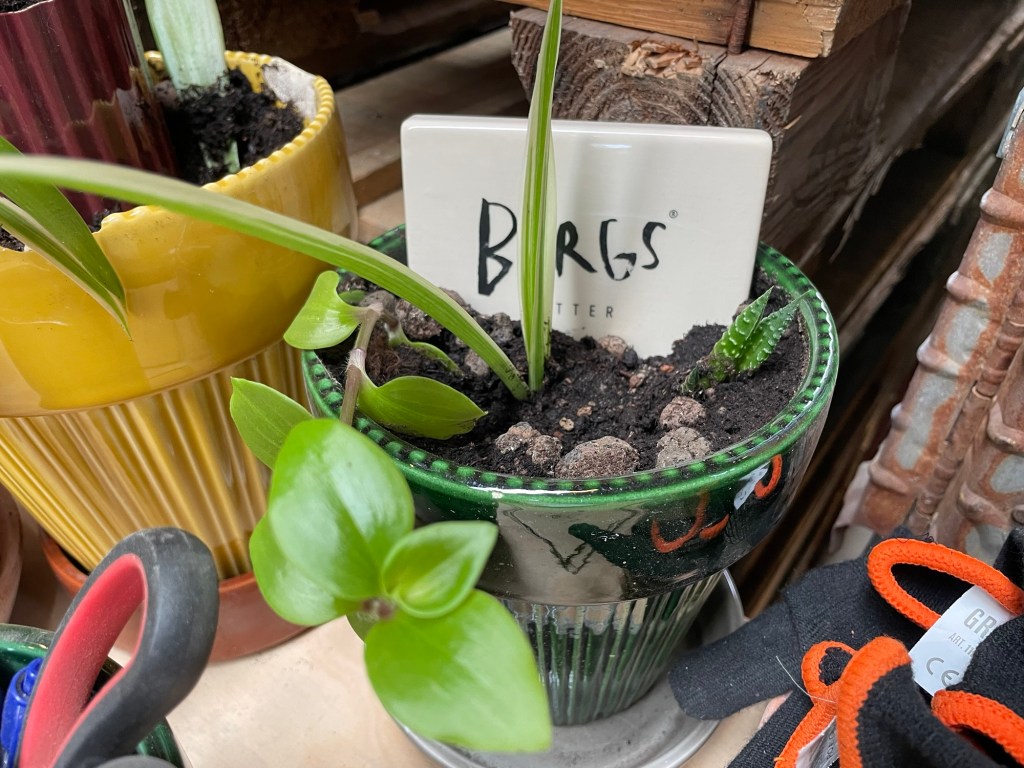
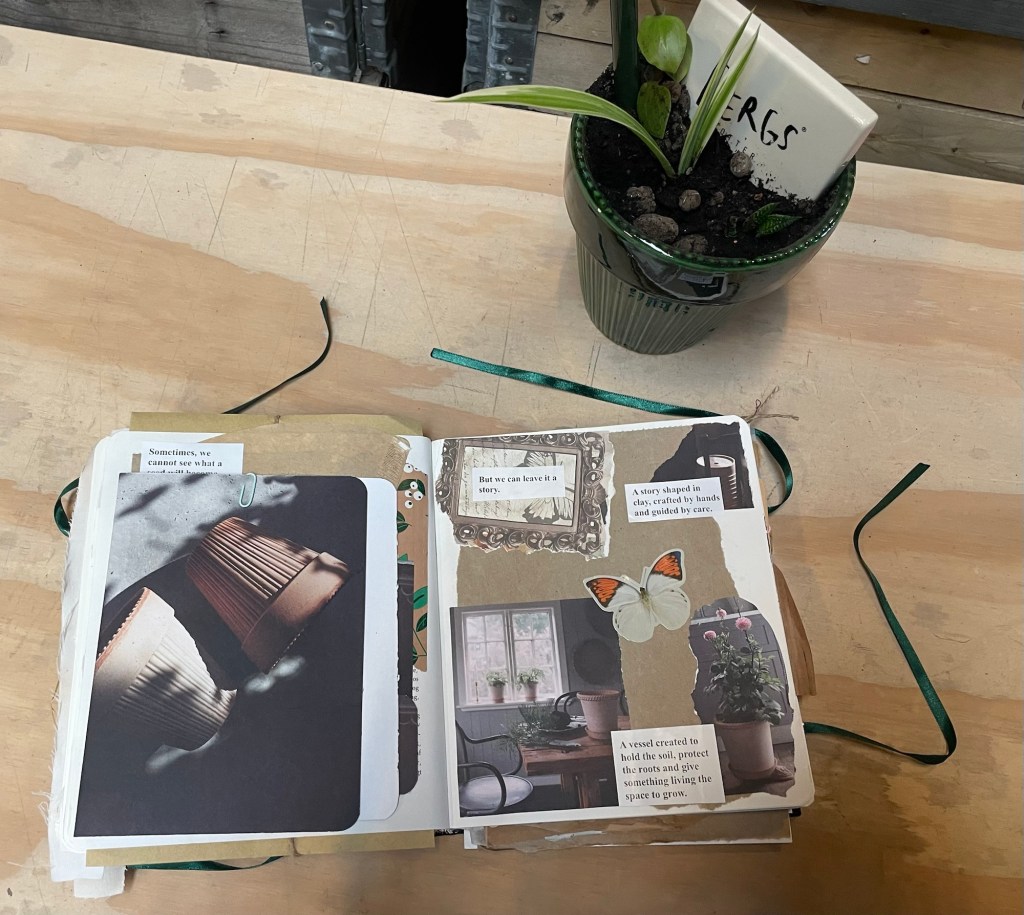
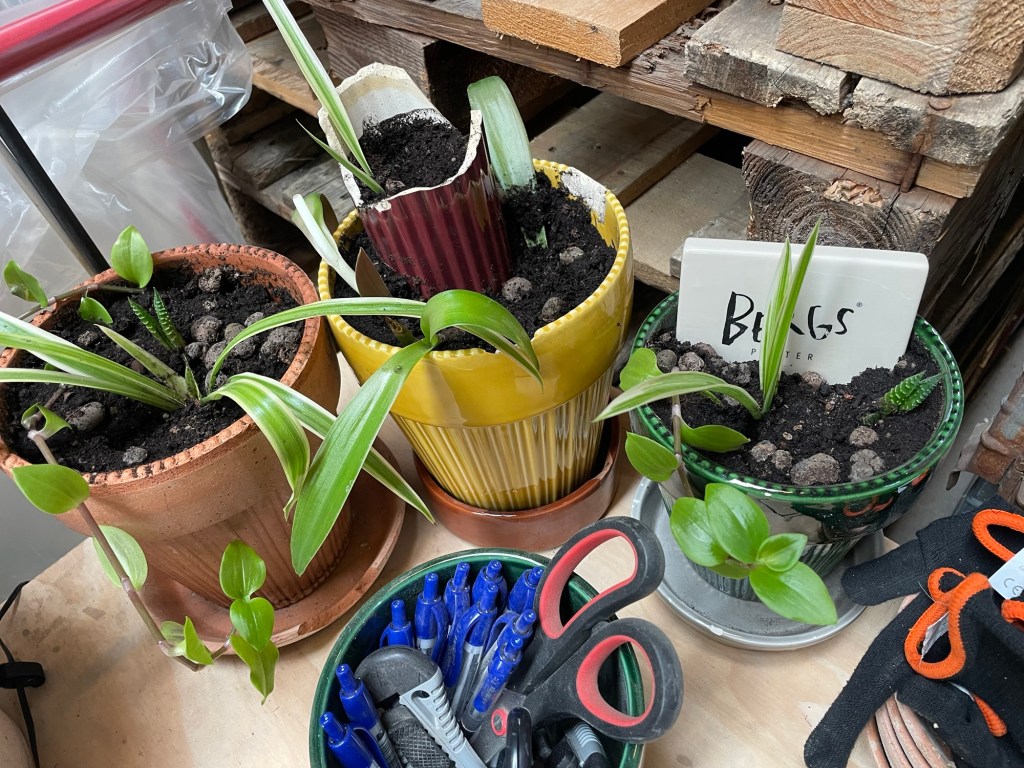
In the packaging area, I created a small indoor garden using plants from my own home.
I planted them in slightly damaged Bergs pots—pots that were no longer considered perfect, but were still beautiful, still useful, still capable of holding something alive.
Because perhaps that is what I wanted the little garden to say.
No matter how much the world chases perfection, there should always be room for the rest of us.
For the slightly damaged.
The imperfect.
The people and things that may not look exactly as expected, but still have something beautiful to give.
Perhaps especially those.
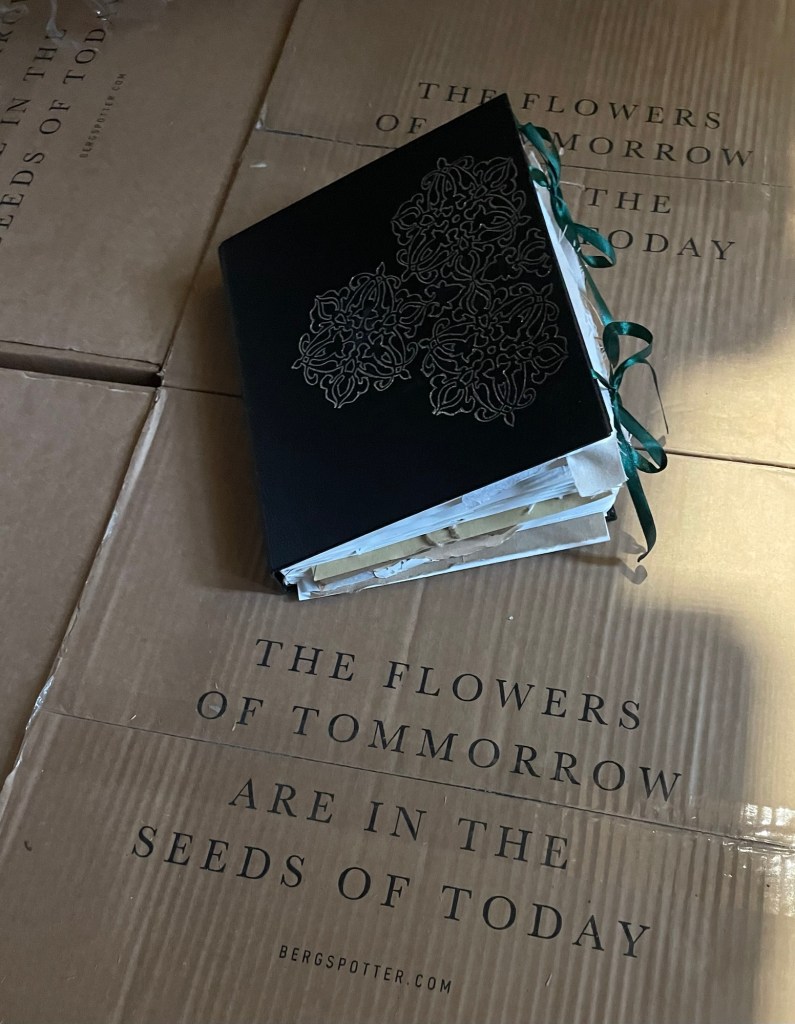
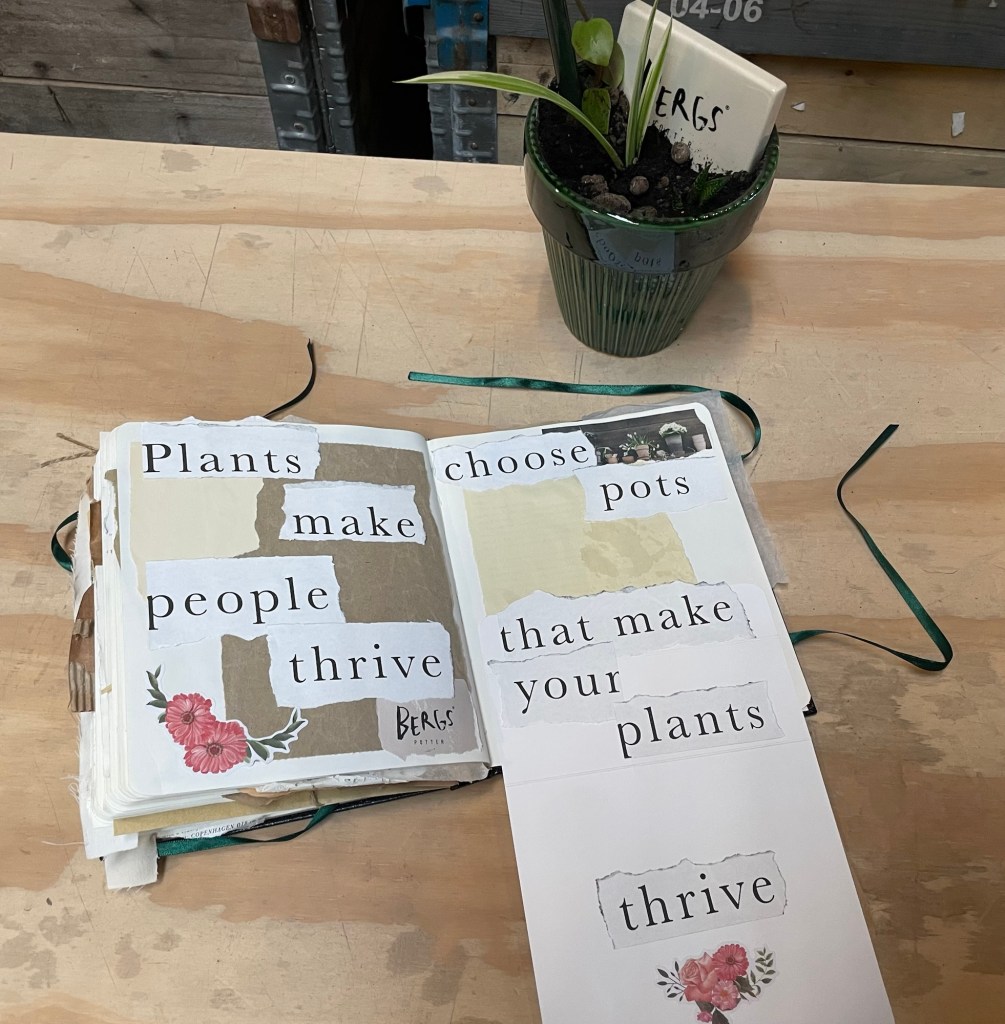
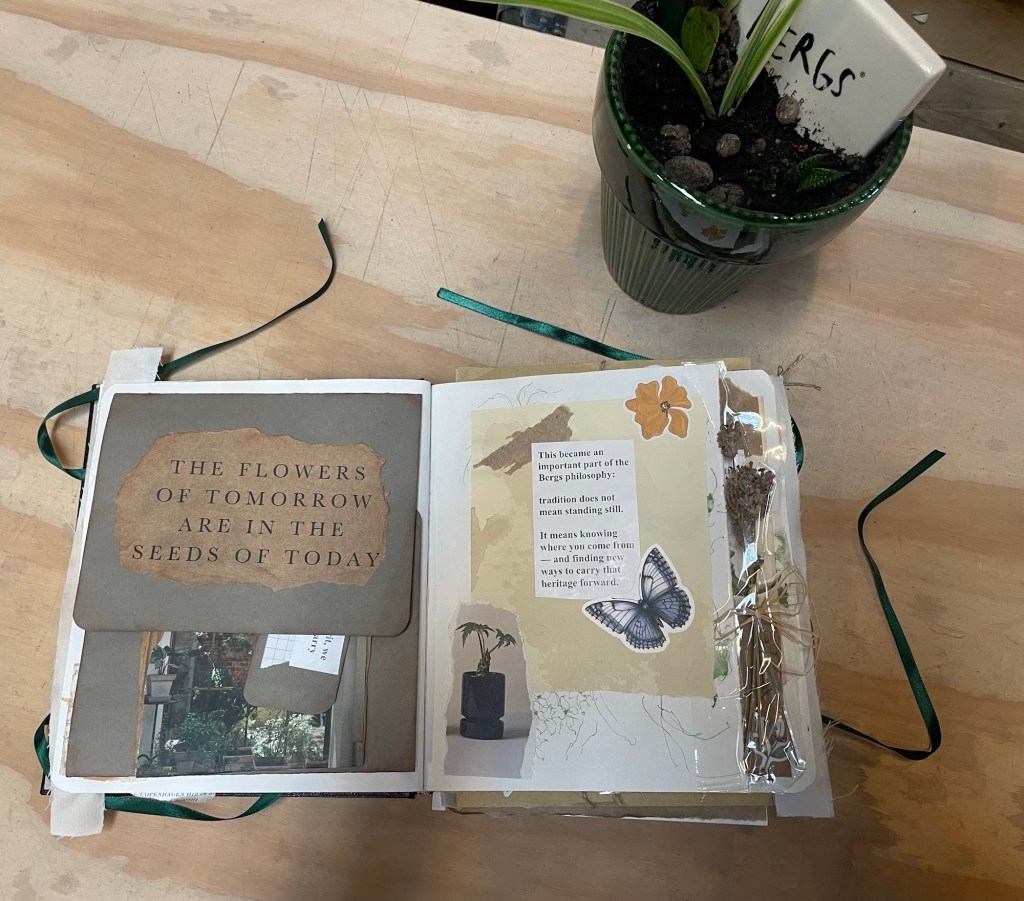
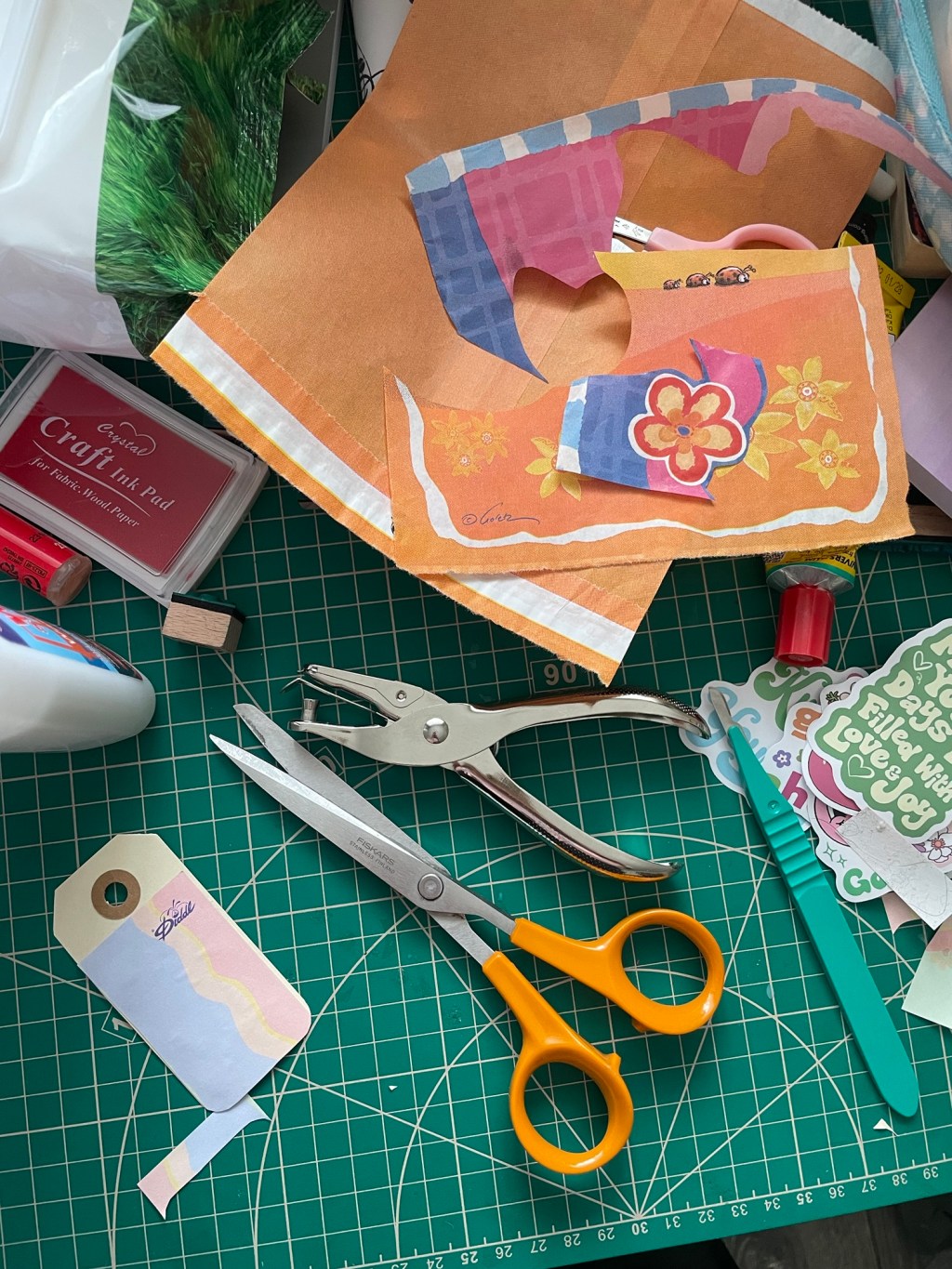
And alongside the plants, I created a scrapbook journal.
A place for stories, memories, photographs and the people behind the work.
Something that I hope will remind them that what they do matters.
Because every pot that leaves Bergs Potter carries more than clay, design and craftsmanship.
It also carries the hands of the people who unpacked it, checked it, cleaned it, packed it and prepared it for the next part of its journey.
The packaging area may be one chapter in the larger story of Bergs Potter.
But without every chapter, there would be no story.
So this was my small way of saying thank you.
To the people who welcomed me.
To the conversations we shared.
To the music playing in the background.
To the lessons they may never realise they taught me.
And to the people whose stories became part of mine.
I came to Bergs to learn.
And I am leaving with far more than experience.
I am leaving with memories.
But perhaps the most beautiful thing is knowing that, in a small corner of the packaging area, I am leaving something behind too.
A few plants.
A few stories.
A few imperfect pots.
And a reminder that every person, every pair of hands and every chapter matters.
Because the story continues.



Leave a Reply