There’s something beautiful about creating with your hands in a world that moves too fast. Paper remembers things differently. A torn receipt, a pressed flower, a sticker from a random Tuesday — suddenly they become part of a story.
If you’ve ever searched for creative journaling ideas, you’ve probably come across terms like gluebook, junk journal, scrapbook, or art journal. They’re often used interchangeably, but each one has its own personality, purpose, and creative freedom.
This guide will help you understand the differences between them, how to start one, and why you absolutely do not need to be an artist to enjoy any of them.
What Is a Gluebook?
A gluebook is exactly what it sounds like: a book where you glue things.
It’s usually less structured than a scrapbook and less “finished” than an art journal. Think of it as a visual playground for your thoughts, inspirations, colors, textures, and random finds.
A gluebook can include:
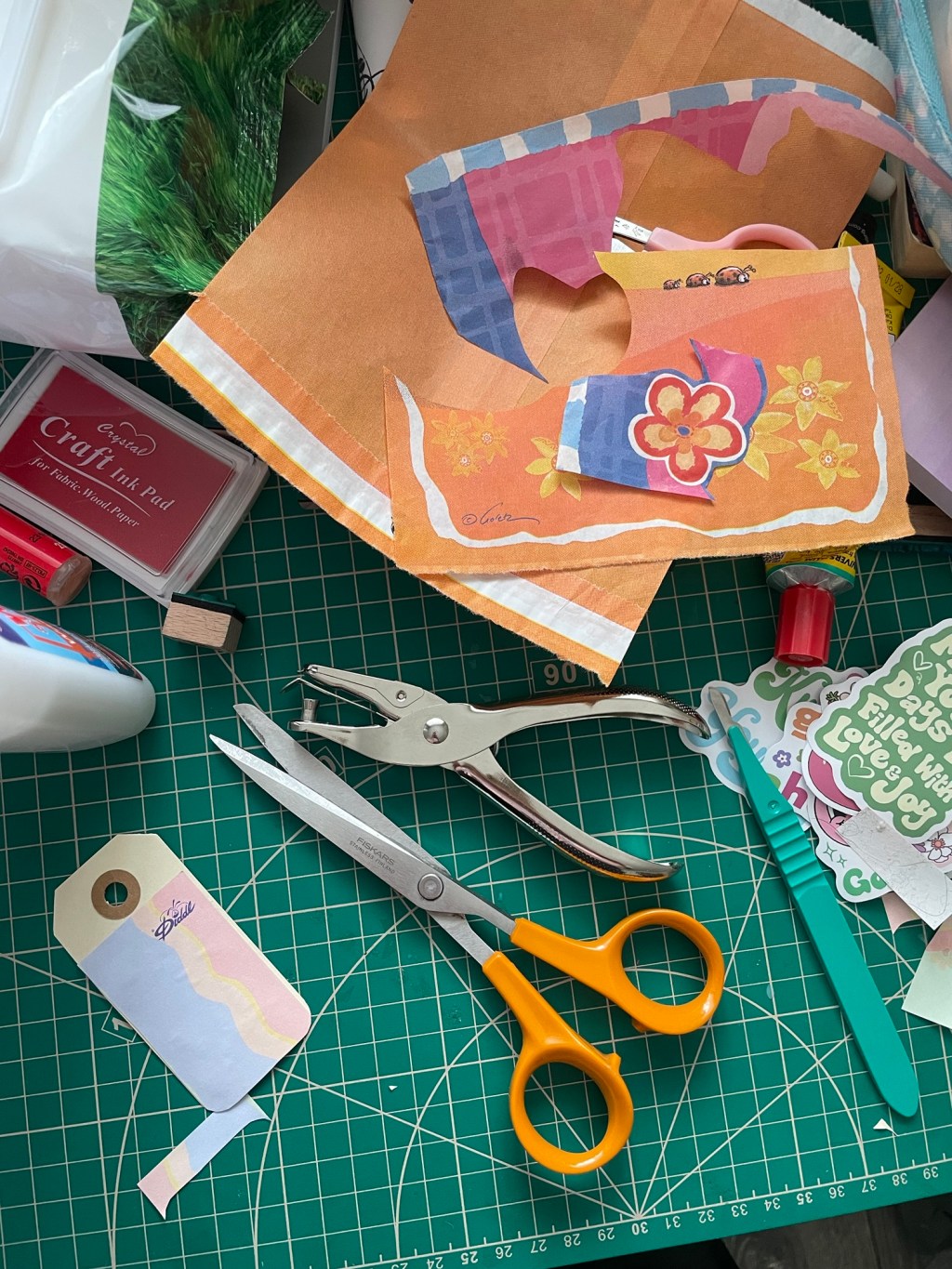
- Magazine cutouts
- Stickers
- Receipts
- Packaging
- Photos
- Washi tape
- Quotes
- Random doodles
- Vintage paper
- Fabric scraps
- Tickets or labels
There are no rules. A gluebook doesn’t need to tell a coherent story. It can simply capture moods, aesthetics, memories, or little fragments of life.
Why People Love Gluebooks
- They are low pressure
- You don’t need drawing skills
- They help with stress and anxiety
- They encourage creative play
- They’re perfect for using scraps and leftovers
A gluebook is often the easiest entry point into creative journaling because perfection is not the goal.
How to Create a Gluebook
You only need:
- A notebook or old book
- Glue stick or tape
- Paper scraps and ephemera
Start by choosing a color, mood, or theme for a page. Then layer pieces until it “feels right.”
Some people create:
- cozy autumn pages
- dreamy vintage collages
- messy emotional spreads
- travel memory pages
- soft aesthetic collections
The magic of gluebooks is that they evolve naturally over time.
What Is a Junk Journal?
A junk journal is a handmade journal created using recycled, vintage, or found materials.
The word “junk” doesn’t mean trash — it means giving forgotten things a second life.
Junk journals are often made from:
- old envelopes
- book pages
- coffee-dyed paper
- maps
- sheet music
- packaging
- fabric
- lace
- brown paper bags
- handwritten notes
Unlike gluebooks, junk journals are usually constructed by hand from scratch and often have interactive elements.
Common Features of Junk Journals
- Pockets
- Fold-outs
- Hidden journaling spaces
- Tags and inserts
- Sewing or stitching
- Layered vintage textures
Many junk journals feel like tiny treasure chests.
Popular Junk Journal Themes
- Cottagecore
- Dark academia
- Botanical
- Vintage travel
- Nature journals
- Fairycore
- Old letters & memories
- Antique inspired journals
How to Use a Junk Journal
You can:
- write daily thoughts
- memory keep
- use it as a planner
- create a creative diary
- collect inspiration
- document travels
- make themed storytelling journals
Some people even use junk journals as emotional support spaces — messy, imperfect books where thoughts can exist without judgment.
What Is Scrapbooking?
Scrapbooking is memory keeping with structure.
Traditional scrapbooks are usually designed to preserve important life events:
- birthdays
- weddings
- vacations
- childhood memories
- family milestones
Scrapbooks are often cleaner and more organized than junk journals or gluebooks.
Typical Scrapbook Elements
- Printed photographs
- Captions and dates
- Decorative paper
- Embellishments
- Stickers and frames
- Coordinated layouts
Scrapbooking focuses heavily on storytelling and preserving memories in a visually appealing way.
Digital vs Traditional Scrapbooking
Today, many people create:
- digital scrapbook pages
- printable scrapbook kits
- hybrid scrapbooks
But handmade scrapbooks still have a special emotional value because they physically hold memories.
What Is an Art Journal?
An art journal combines journaling with artistic expression.
It’s less about documenting events and more about expressing feelings, ideas, experiments, and creativity.
Art journals often include:
- painting
- drawing
- mixed media
- collage
- poetry
- handwritten reflections
- texture paste
- stamps
- ink and watercolor
An art journal can be deeply personal and emotional.
Art Journaling Is Not About Being “Good at Art”
This is one of the biggest misconceptions.
Art journaling is not about creating perfect pages for social media. It’s about expression, exploration, and process.
Messy pages are welcome.
Ugly pages are welcome.
Half-finished pages are welcome.
Why People Keep Art Journals
- emotional release
- creative therapy
- mindfulness
- self-discovery
- experimenting with materials
- processing emotions visually
For many people, art journaling becomes a safe space rather than a hobby.
But the truth is: modern creators often mix all of them together.
A journal can contain:
- scrapbook photos
- junk journal pockets
- gluebook collages
- art journal painting
And that’s perfectly okay.
Creative journaling has become more fluid, personal, and experimental than ever before.



Leave a Reply